

Acquisition essay
Access, Control, and Exit
Acquisition in progress
Sixteen photographs selected through Keys and Gates examine access, control, permission, and exit. They have not yet been minted, acquired, or accessioned and are not in the permanent Collection.
Works in this study
- InterpretsTake the Key!Status Selected through an acquisition program; unmintedStatus as ofGulYildiz — Take the Key!; Keys and Gates presentation record
 Interpretsthe Artist in the Open SeaStatus Selected through an acquisition program; unmintedStatus as ofHugoFaz — the Artist in the Open Sea; Keys and Gates presentation record
 InterpretsManaged FreedomStatus Selected through an acquisition program; unmintedStatus as ofnasimghanizadeh — Managed Freedom; Keys and Gates presentation record
 InterpretsNo Key, Only LightStatus Selected through an acquisition program; unmintedStatus as ofintrepid — No Key, Only Light; Keys and Gates presentation record
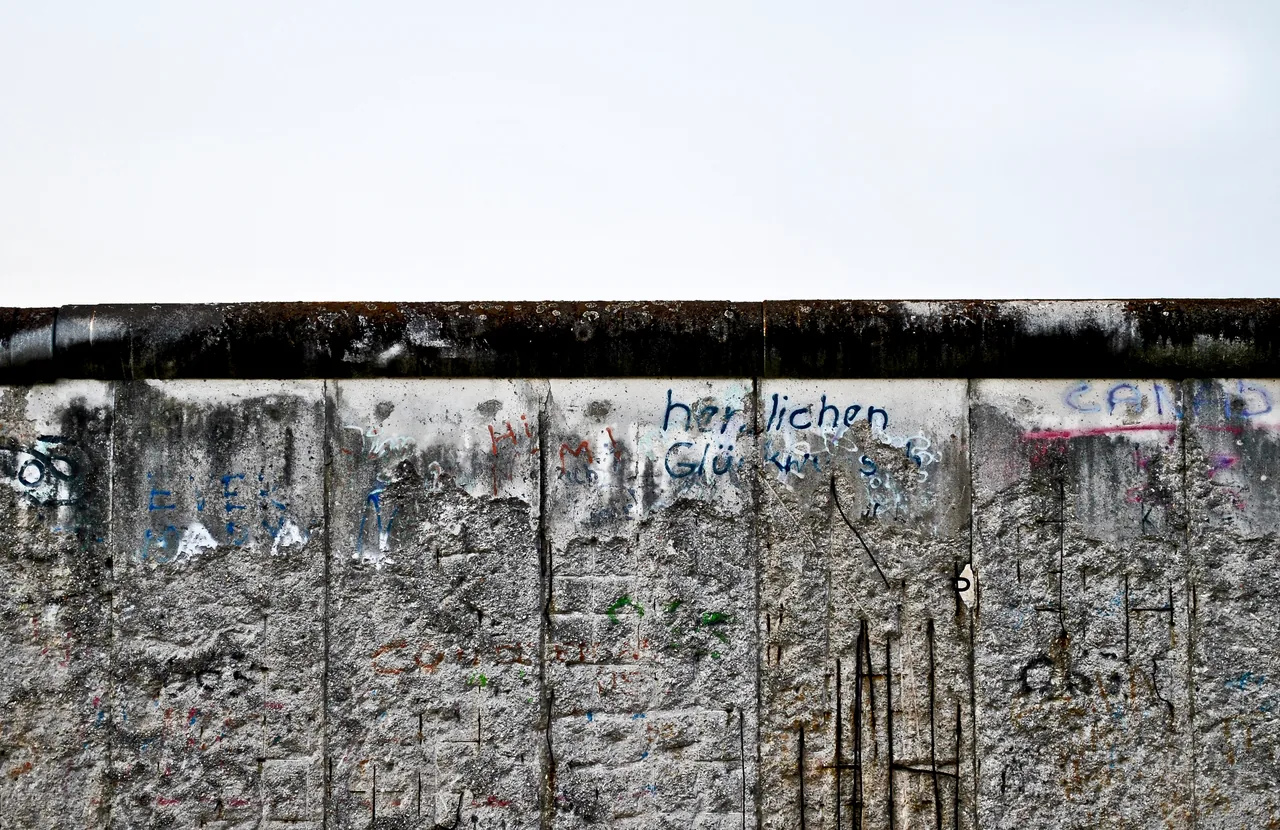 InterpretsResidual BarrierStatus Selected through an acquisition program; unmintedStatus as ofikertje — Residual Barrier; Keys and Gates presentation record
 InterpretsThe Hostile GateStatus Selected through an acquisition program; unmintedStatus as ofGIANT — The Hostile Gate; Keys and Gates presentation record
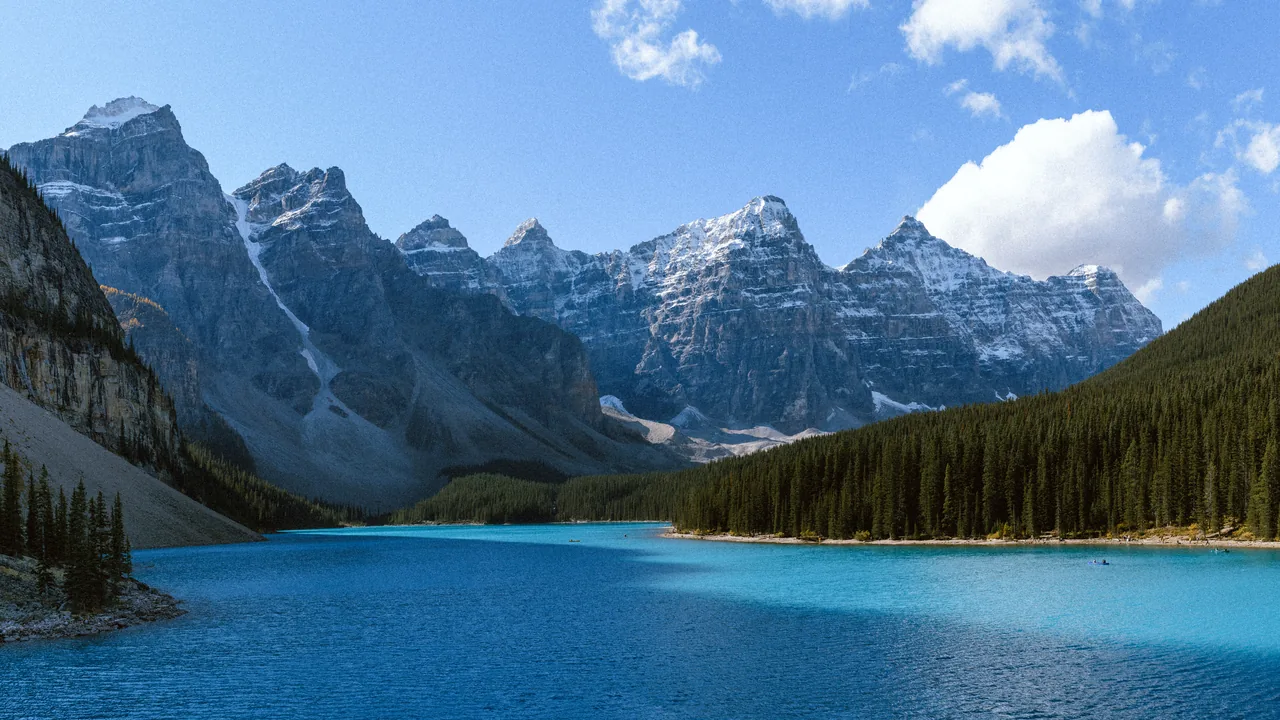 Interpretsthe cost of openStatus Selected through an acquisition program; unmintedStatus as ofpriyanka — the cost of open; Keys and Gates presentation record
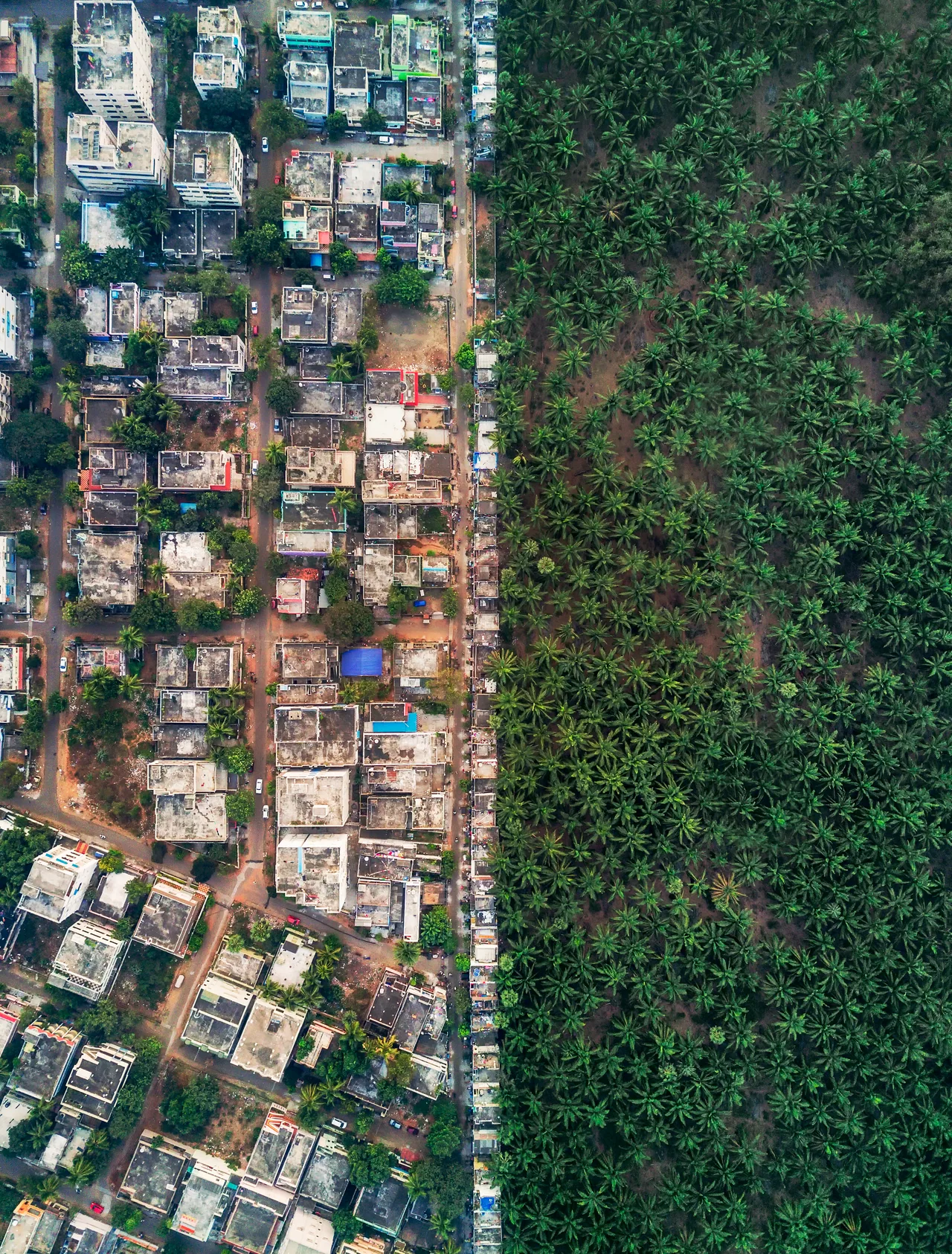 InterpretsDichotomy.Status Selected through an acquisition program; unmintedStatus as ofRakesh — Dichotomy.; Keys and Gates presentation record
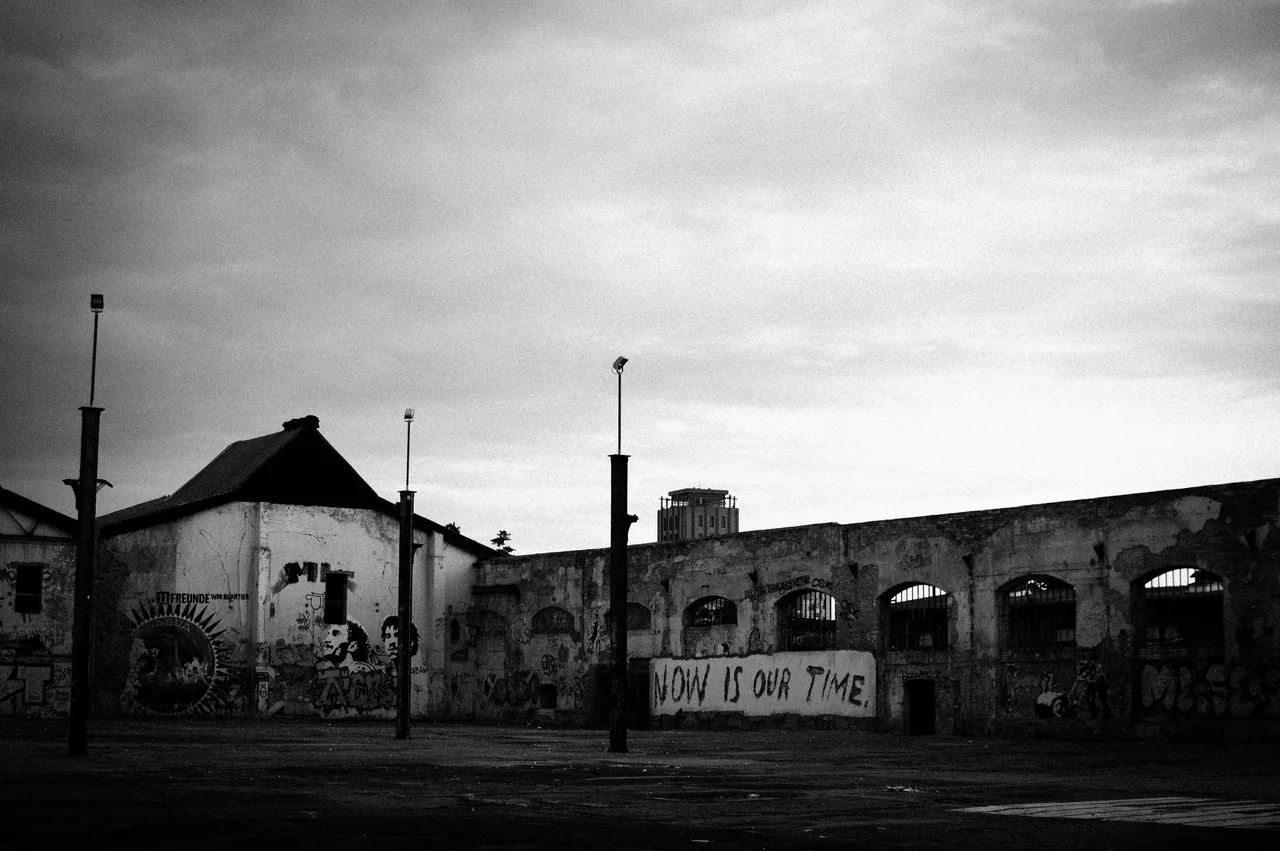 InterpretsNow Is Our TimeStatus Selected through an acquisition program; unmintedStatus as ofpandelic — Now Is Our Time; Keys and Gates presentation record
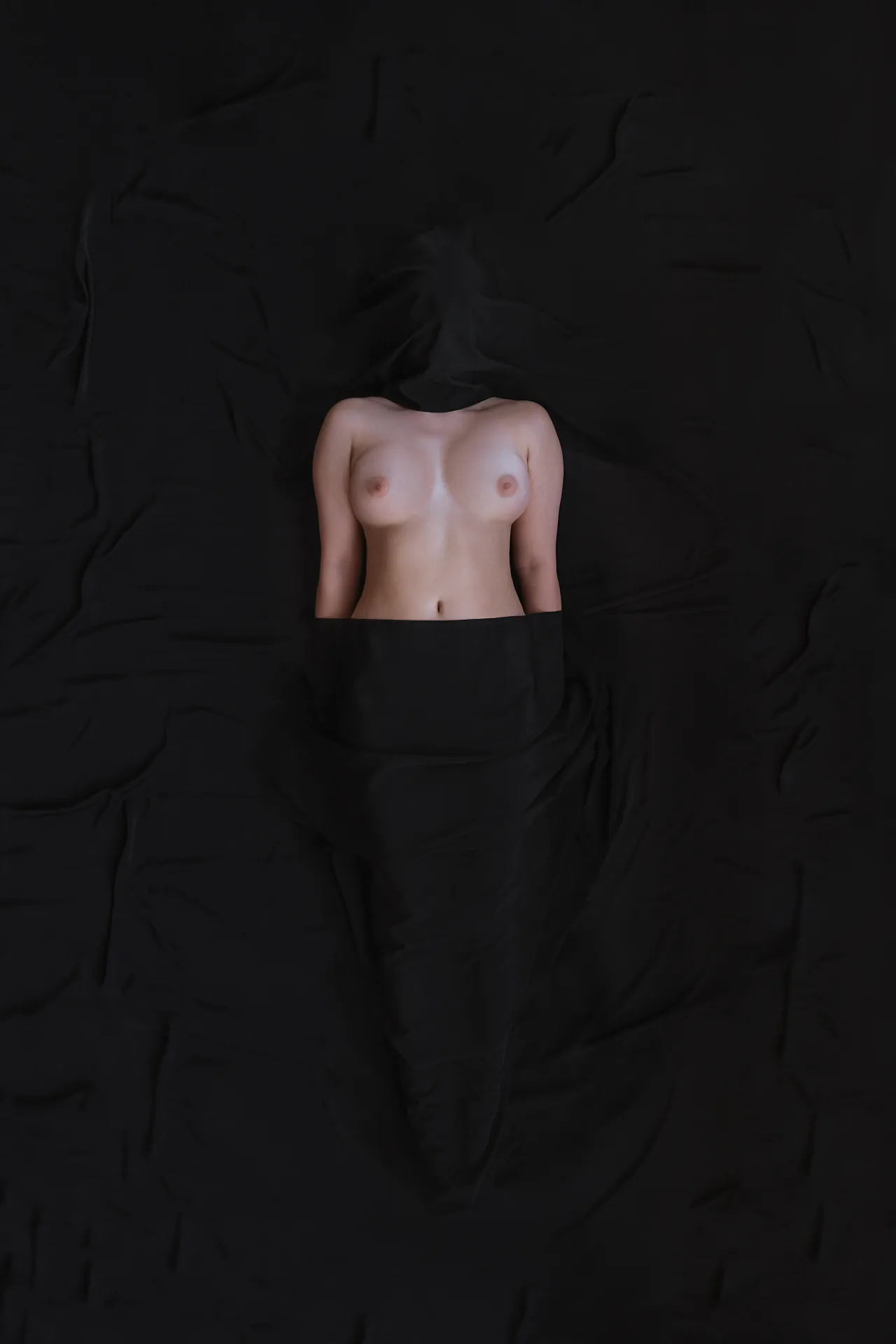 InterpretsCheckpointStatus Selected through an acquisition program; unmintedStatus as ofMinalisa — Checkpoint; Keys and Gates presentation record
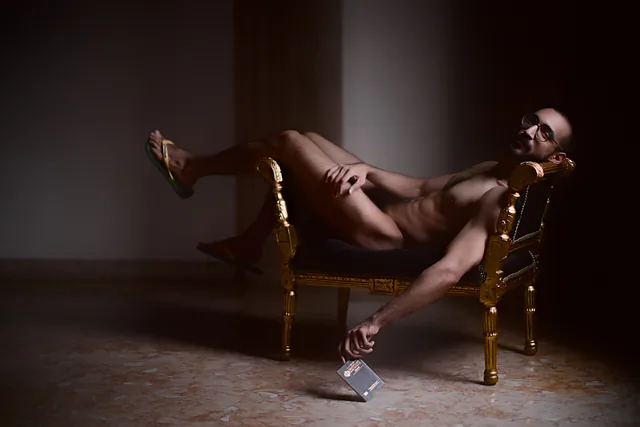 InterpretsSina Beizavi in BrazilStatus Selected through an acquisition program; unmintedStatus as ofHugoFaz — Sina Beizavi in Brazil; Keys and Gates presentation record
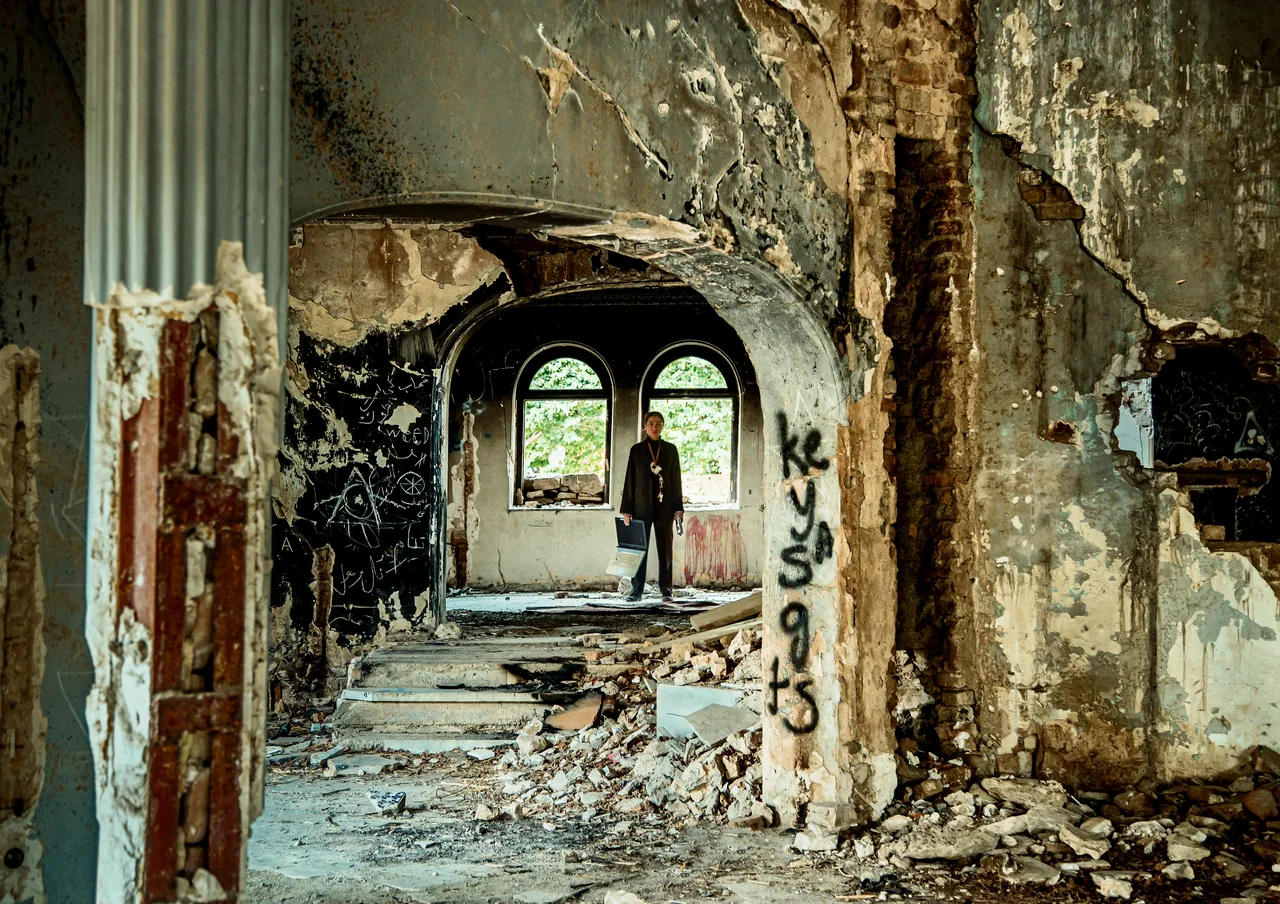 InterpretsRustedStatus Selected through an acquisition program; unmintedStatus as ofTeyhu — Rusted; Keys and Gates presentation record
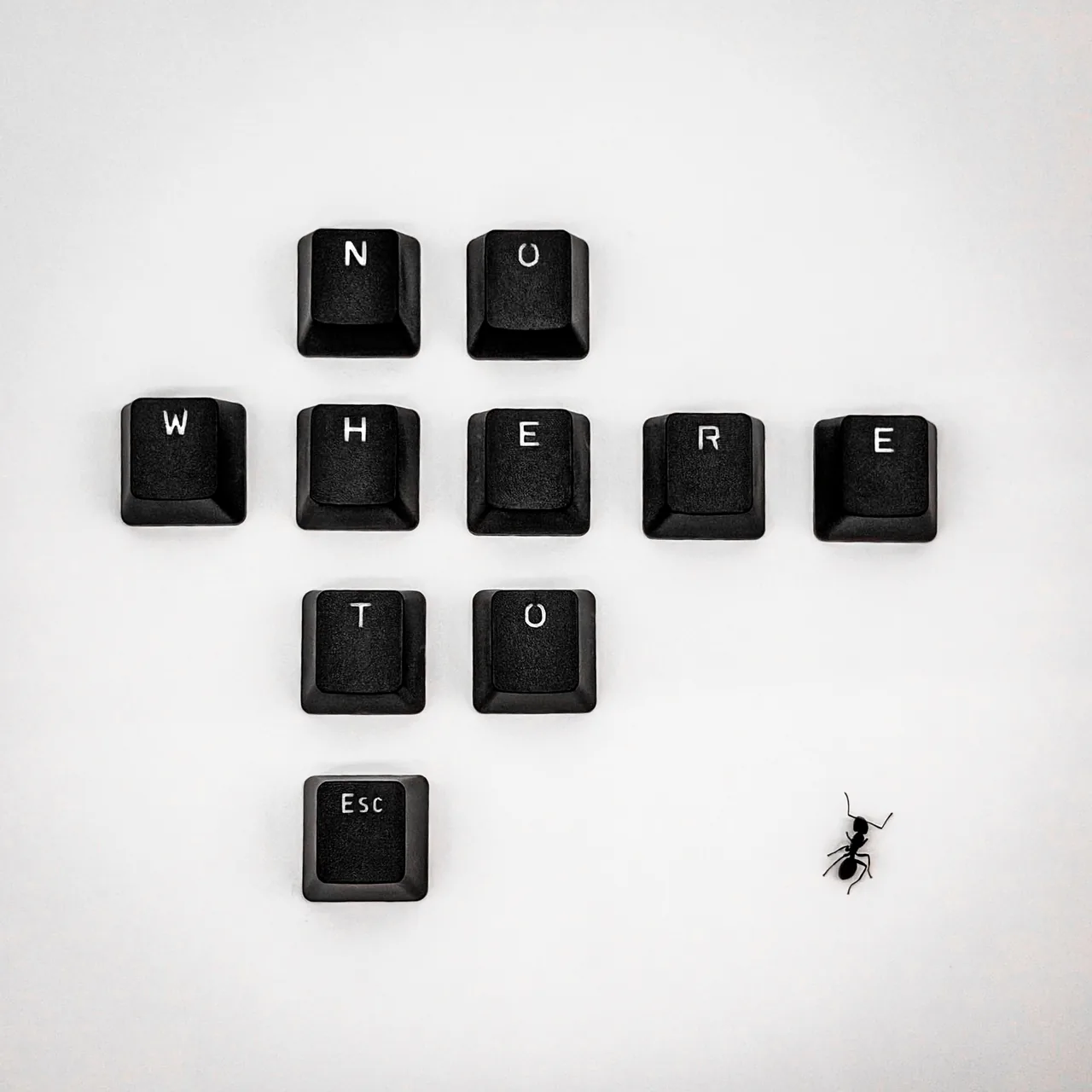 InterpretsNowhere To Esc.Status Selected through an acquisition program; unmintedStatus as ofarsonic — Nowhere To Esc.; Keys and Gates presentation record
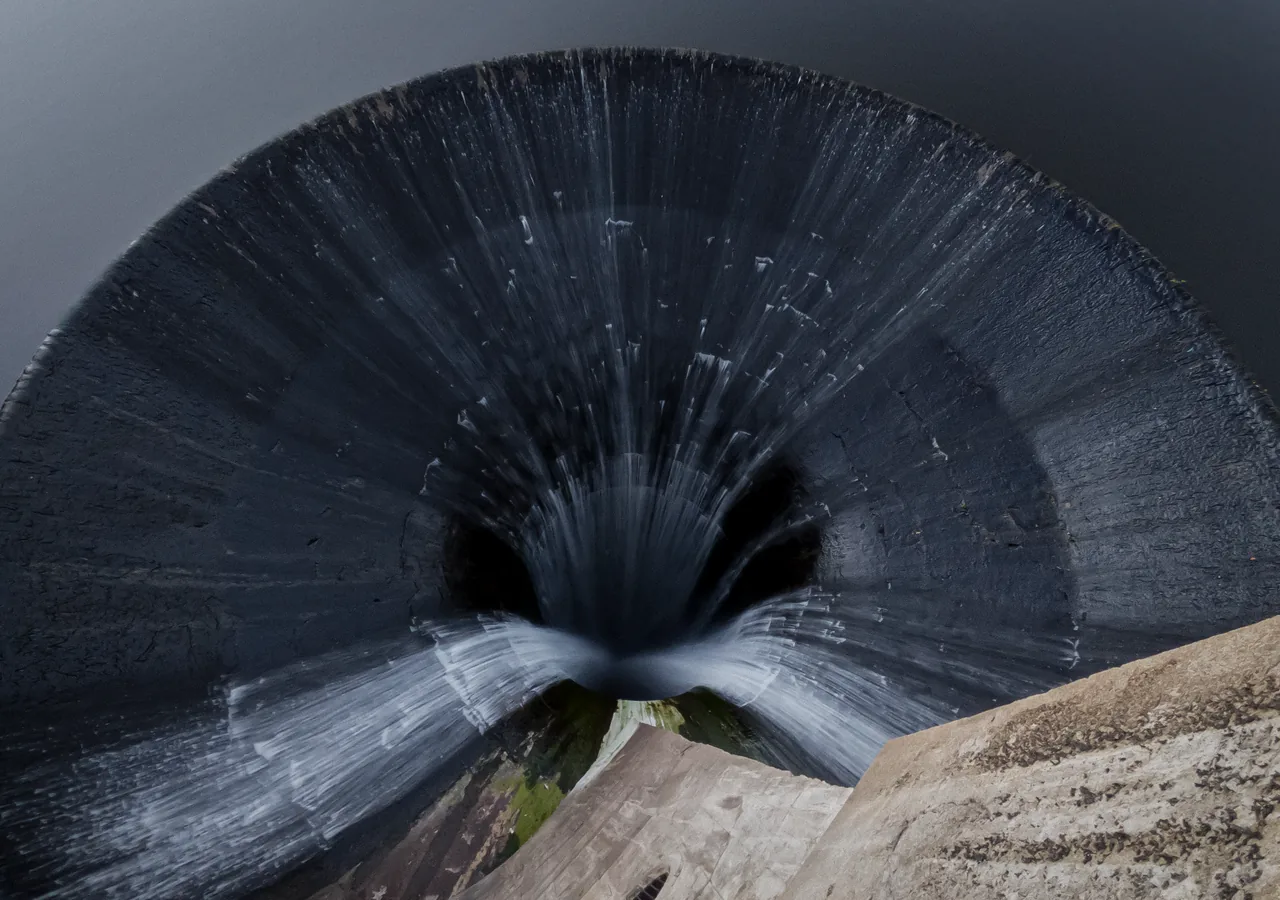 InterpretsMorning GloryStatus Selected through an acquisition program; unmintedStatus as ofZoku — Morning Glory; Keys and Gates presentation record
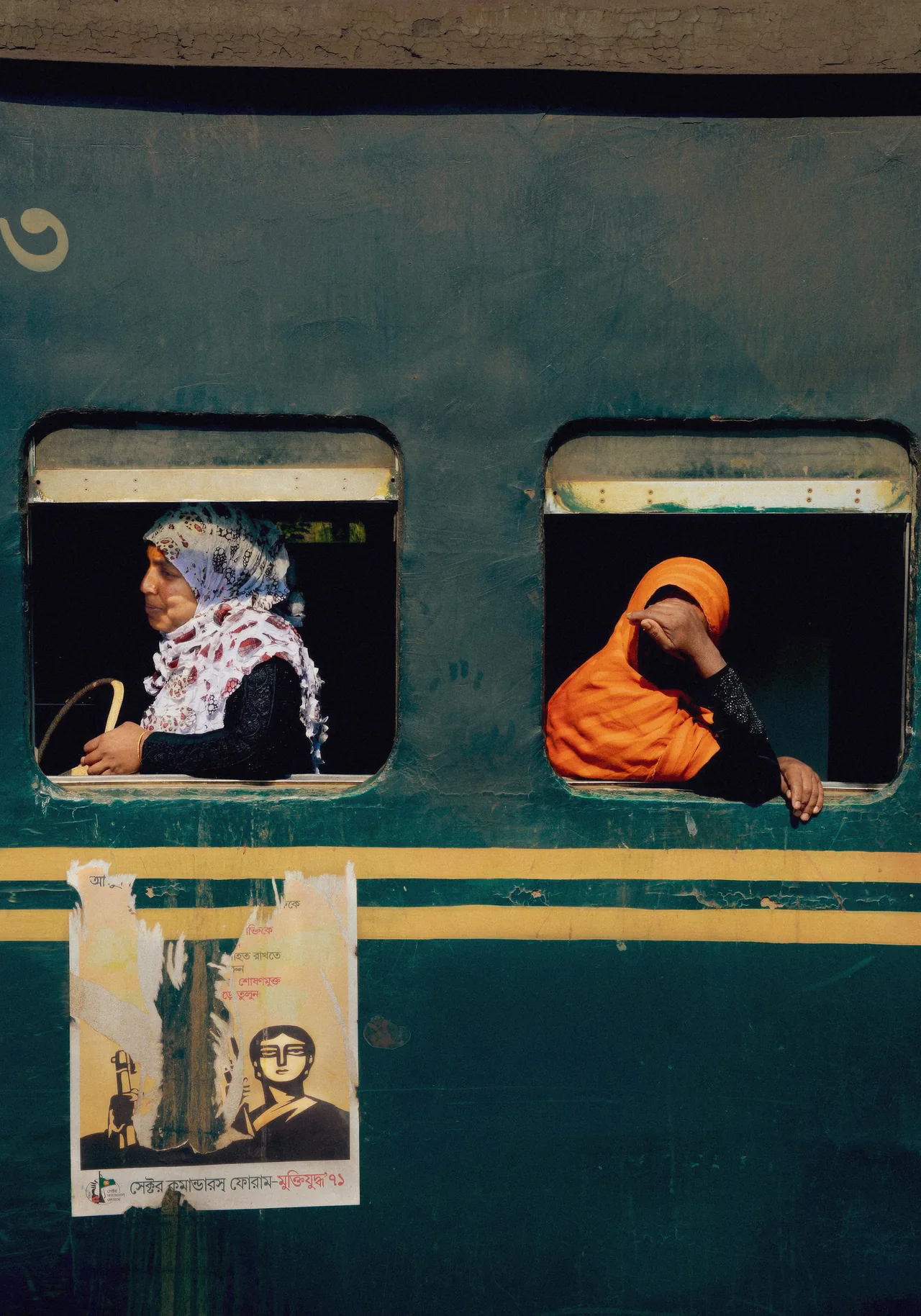 Interpretsমুক্তিযুদ্ধ - Fight for FreedomStatus Selected through an acquisition program; unmintedStatus as ofshamspranto — মুক্তিযুদ্ধ - Fight for Freedom; Keys and Gates presentation record
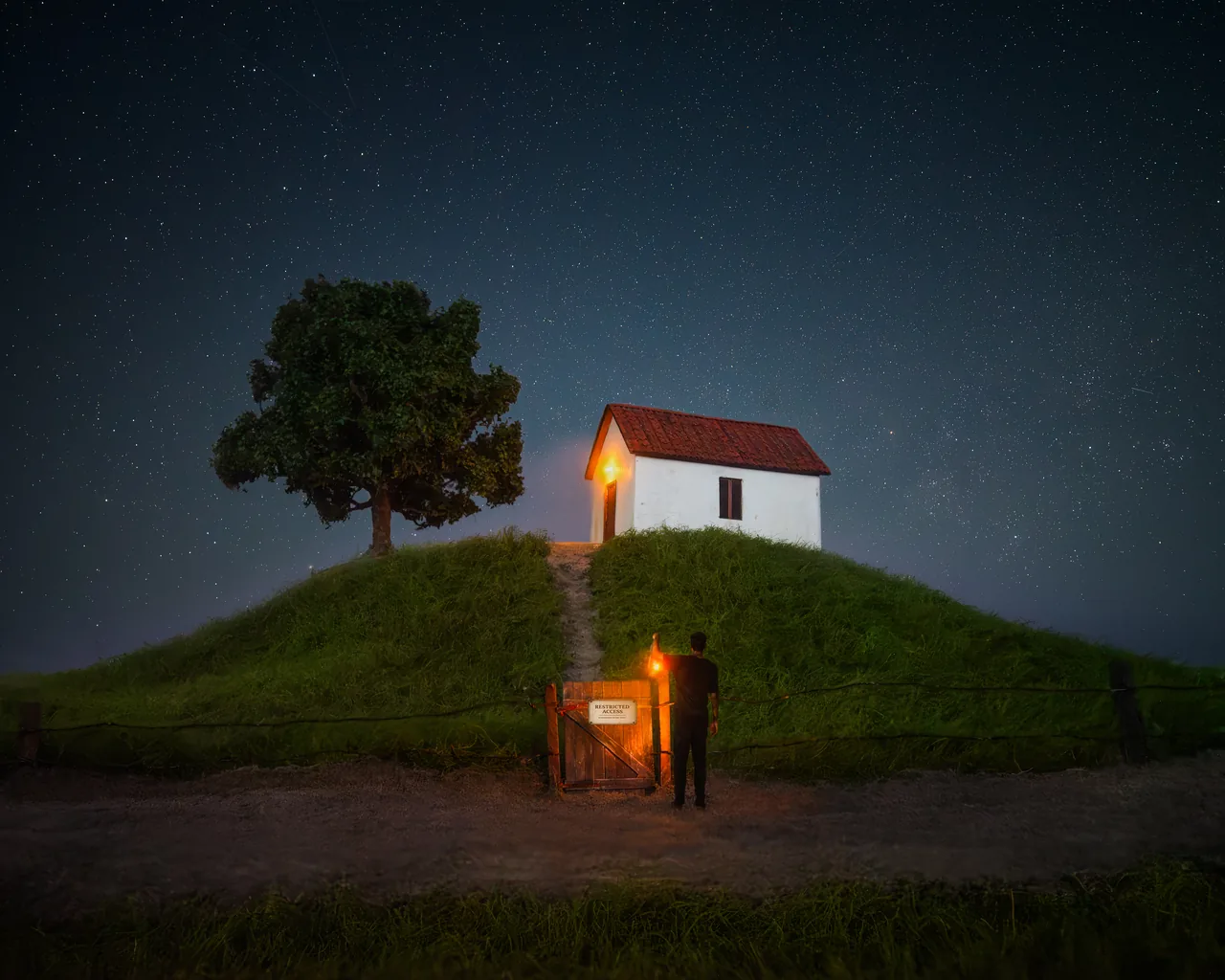 InterpretsNo AccessStatus Selected through an acquisition program; unmintedStatus as ofVeerendra — No Access; Keys and Gates presentation record
Selected reading
This excerpt keeps the section numbers of the complete essay. Omitted sections remain available in the complete research record below.
Apertures and exits
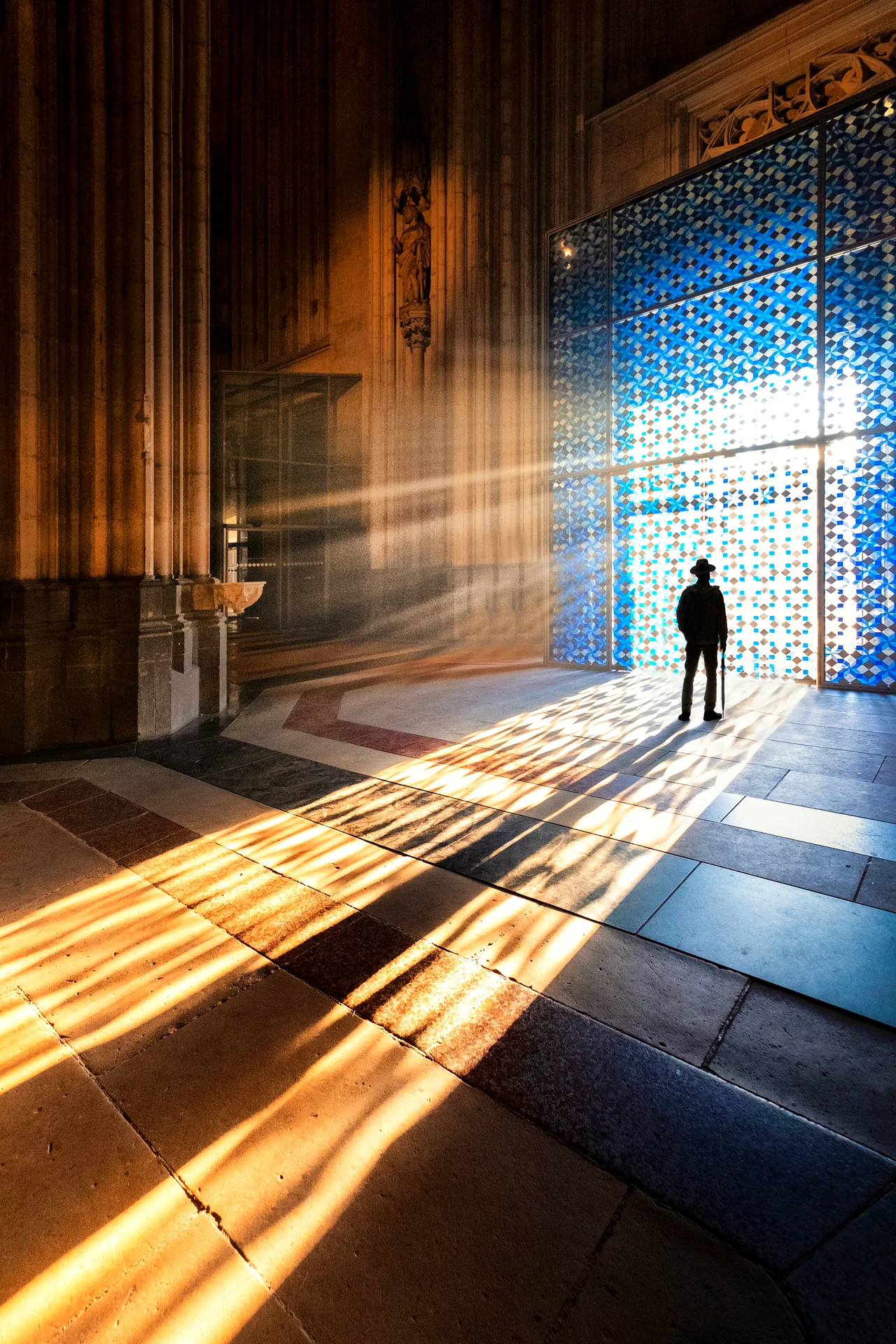
In GulYildiz’s Take the Key!, a small figure stands before a tall patterned screen inside a stone interior. Blue geometry breaks daylight into long bands across the floor. The screen has the authority of a wall and the behaviour of a filter: it admits brightness in pieces and keeps the figure at a distance from whatever lies beyond. The artist links the image to knowledge, authority, digital sovereignty, and self-custody. The photograph gives those ideas an optical structure before any claim is resolved.
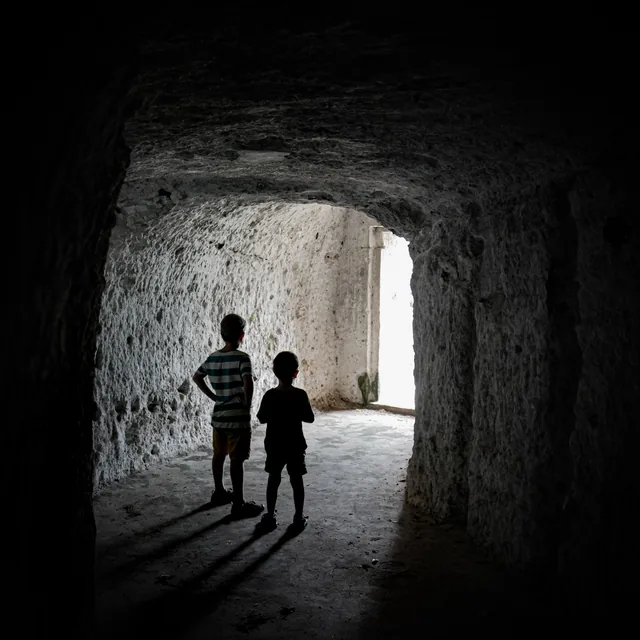
The two silhouettes in No Key, Only Light occupy a rough passage at Fort Frederick. Their path narrows through stone and ends in white glare. The artist’s account connects that personal movement to surveillance; public site history independently supports the fort’s documented defence and revolutionary context. Facial detail is absent from the frame. The image records a return; the family and pandemic-travel narrative remains attributed to the artist, while public site history supplies the architectural frame.
Teyhu’s Rusted carries the threshold deeper into a damaged interior. Receding arches establish a corridor of diminishing scale, and the distant figure’s keys appear as a small glint within the ruin. The artist describes rust as a promise worn down by use. The photograph leaves the building unnamed, so its broken plaster and exposed brick stay with the experience of delay; no single authorized history is established.
Veerendra’s No Access builds the barrier by hand. A white house and red roof sit beneath a starry sky; a path ends at a lit gate and warning sign. Focus stacking keeps the miniature scene unusually legible, allowing the viewer to inspect every part of the distance while the figure remains outside. Scale is the work’s pressure point: shelter is close enough to see, and permission is still a small sign across the path.
Managed movement
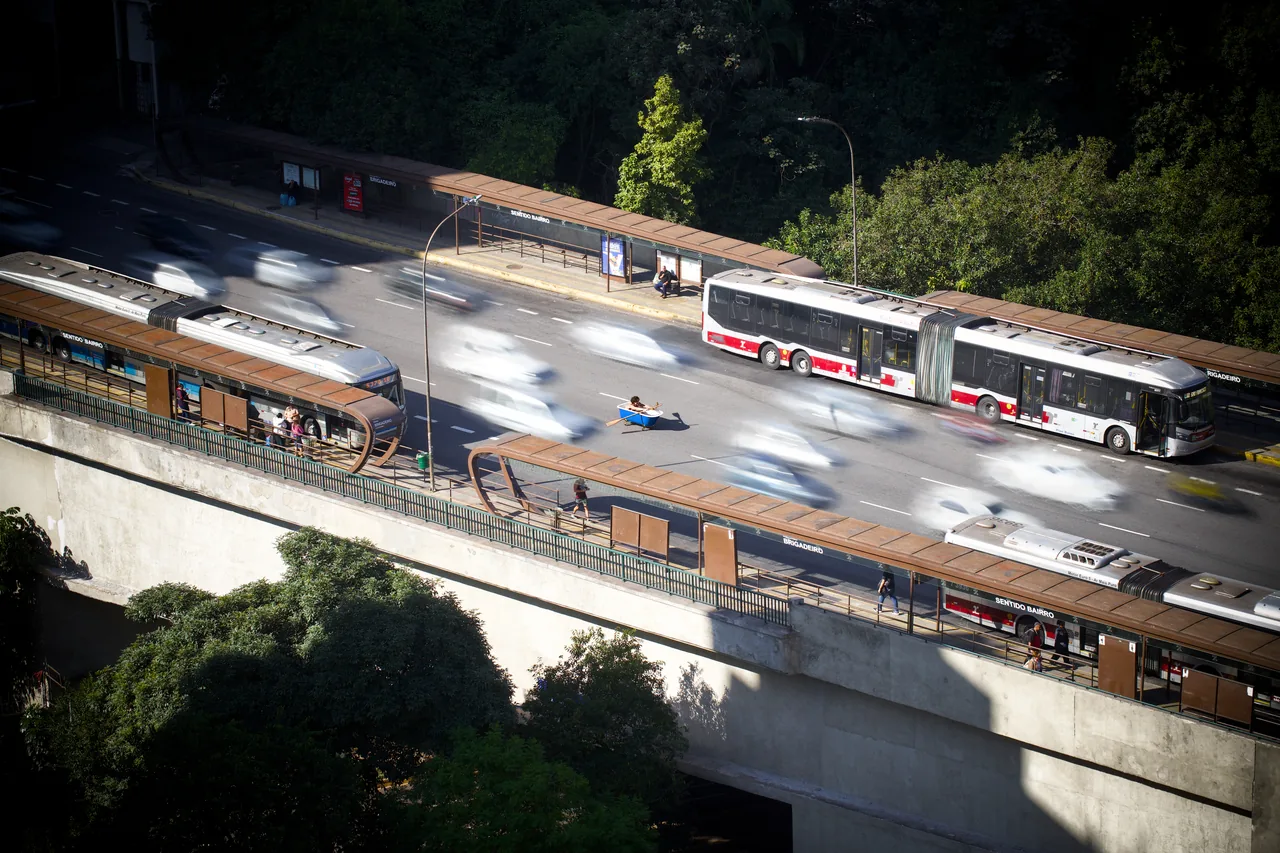
In HugoFaz’s the Artist in the Open Sea, a sharply defined performer sits in a white tub or boat amid traffic streaked by long exposure. The road is all speed and directional force; the performer occupies a still pocket inside it. The artist’s marketplace analogy gives the composite a social charge. What the image contributes is a body held at a different tempo from the infrastructure carrying everything around it.
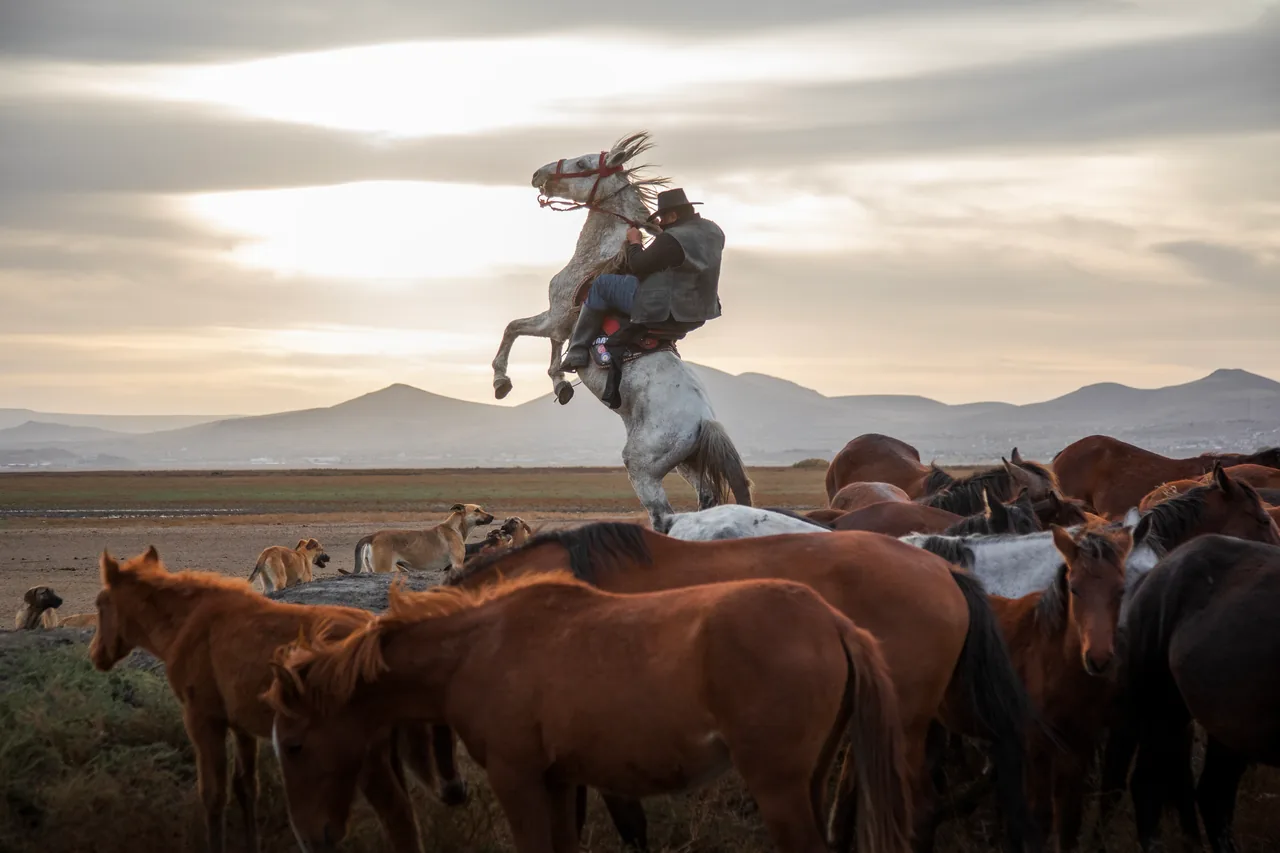
In Managed Freedom, a rider and a white rearing horse rise above a crowded herd. The lifted horse creates an instant of vertical force, but the animals below fill the plain with pressure, command, and collective direction. The artist associates the scene with migration, shelter, refusal, and negotiated freedom. The photograph’s openness comes with a choreography: bodies move through a field whose apparent breadth never removes the structures that direct them.
In Priyanka’s the cost of open, turquoise water, dark forest, and the Valley of the Ten Peaks under snow form the group’s most conventionally inviting view. Its access machinery stays outside the frame. Parks Canada currently states that Moraine Lake Road is closed to personal vehicles year-round and that shuttle access requires a reservation; the artist’s submission relates those conditions to queues, capacity, time, and cost. Nothing in the calm view discloses the reservation, shuttle, queue, time, and cost required to reach it.
Rakesh Pulapa’s aerial Dichotomy. compresses movement into a diagram. Dense roofs meet a regimented palm plantation along an edge drawn almost ruler-straight across the frame. The submission calls the cultivated side a prison garden and the other side a neighbourhood; the facility remains unidentified in the public record. From above, land use becomes pattern, and the question of access includes the unequal viewpoints from which a boundary can be mapped.
Residual infrastructures
In ikertje’s Residual Barrier, a weathered concrete wall holds the lower edge of a pale sky. Graffiti and surface damage interrupt its mass, while the horizontal line keeps the old force of a barrier present in the eye. The artist attributes the photograph’s location to Berlin in 2011; the precise site and any relationship between the pictured structure and the former Berlin Wall remain unverified. Its subject is the persistence of a boundary as material and memory after the exact site and original function have receded.
pandelic’s Now Is Our Time locates residue in a changing industrial compound. Barred openings, lamps, layered graffiti, and the painted sentence occupy one black-and-white field. RAW-Gelände’s documented movement from railway repair works through shutdown, cultural use, and redevelopment gives the site a history of changing access; the image holds the slogan inside that unstable property story. The painted words occupy the present frame, while the building records how quickly a present can become a contested layer.
Zoku’s Morning Glory looks up through a dark, fluted structure the artist identifies as a spillway. Water radiates from a centre below the frame and gathers the light into a narrow opening of sky. The artist describes an automated pressure-regulation system at San Roque Dam. Public technical material supports a 1944 dam phase; the particular component, operating conditions, and full automation claim remain attributed to the submission. The image places water, concrete, and hidden machinery in the same visual field.
In shamspranto’s মুক্তিযুদ্ধ - Fight for Freedom, two women lean from separate windows of a weathered teal train. One meets the outside with her face; the other shields part of hers with an orange head covering. A torn poster enters below them, its provenance and relation to the Liberation War unresolved. The Bangla title invokes the 1971 historical frame, while the contemporary collage keeps the scene in the present. Windows, tracks, and poster divide public movement from private memory; the source of the image’s history remains unsettled.
Bodies and interfaces
GIANT’s The Hostile Gate brings the gate into a kitchen. A shirtless figure opens a refrigerator covered in colourful magnets; the door releases a pale vertical light, and the sparse interior refuses the comfort the appliance promises. In the artist’s self-portrait project, the domestic gesture carries appetite, body image, and self-judgement. The photograph keeps the threshold close to the hand: access to provision is also a moment of self-measurement.
Minalisa’s Checkpoint gives the body a different kind of border. Black fabric folds around a bare torso and removes the face from the scene. Exposure and concealment occupy the same crop, with clothing setting the terms of the viewer’s approach. The submission connects the image to bodily ownership, movement, and the gaze of others; the public treatment keeps that account attributed and the person’s identity open.
In Sina Beizavi in Brazil, HugoFaz places the sitter in an ornate gold chair with bright sandals and a small dark booklet or document. In the historical 640px presentation review, its text was not readable. Gold ornament supplies a theatrical welcome; the object in the sitter’s hand introduces administration into the room. The catalogue uses “the sitter” and leaves personal biography and identifiers outside the public interpretation. The arrangement places ease, display, and proof in the same chair.
arsonic’s Nowhere To Esc. reduces the credential to keyboard scale. Black keys spell “NO / WHERE / TO,” while the Esc key sits apart beside a small ant. The separation changes the phrase’s rhythm: the command is readable, and the promised exit remains physically displaced. The ant supplies a vulnerable scale against the hard certainty of the keys. The Esc key names an exit from the far edge of the layout; its separation makes escape legible and physically remote.
A material comparison
Read in curatorial order, the group moves from openings that admit light to routes that choreograph bodies, then to infrastructures whose former controls survive as wall, industrial site, waterwork, and train. The final register brings the question into the body and the interface: a refrigerator door, a concealed torso, a document, and an Esc key.
Across the group, light breaks into bands; traffic and herds set competing tempos; the lake and palm boundary expose access systems beyond the frame; walls, water, and train windows carry histories forward; bodies and objects make proof visible. The comparison rests on those specific forms: broken light, blocked paths, directed bodies, surviving walls, controlled water, train windows, documents, and a displaced Esc key.
Read the complete studyOpen the full essay, notes, bibliography, and publication record.
Sixteen photographs selected in 2026 move across four registers: apertures and exits, managed movement, residual infrastructures, and bodies and interfaces. A blue patterned screen, a fort passage, a tub in traffic, a horse herd, a reserved landscape, a palm boundary, a weathered wall, a fluted water structure, train windows, a refrigerator, a concealed torso, a document, and a separated Esc key give the argument its materials.
The sequence follows the catalogue’s curatorial order. The first group measures light and distance; the second puts routes and bodies under pressure; the third follows control into walls, sites, water, and public memory; the fourth brings those questions into domestic space, the pictured body, and the interface. Close looking keeps the comparisons attached to each photograph.
Apertures and exits
In GulYildiz’s Take the Key!, a small figure stands before a tall patterned screen inside a stone interior. Blue geometry breaks daylight into long bands across the floor. The screen has the authority of a wall and the behaviour of a filter: it admits brightness in pieces and keeps the figure at a distance from whatever lies beyond. The artist links the image to knowledge, authority, digital sovereignty, and self-custody. The photograph gives those ideas an optical structure before any claim is resolved.
The two silhouettes in No Key, Only Light occupy a rough passage at Fort Frederick. Their path narrows through stone and ends in white glare. The artist’s account connects that personal movement to surveillance; public site history independently supports the fort’s documented defence and revolutionary context. Facial detail is absent from the frame. The image records a return; the family and pandemic-travel narrative remains attributed to the artist, while public site history supplies the architectural frame.1
Teyhu’s Rusted carries the threshold deeper into a damaged interior. Receding arches establish a corridor of diminishing scale, and the distant figure’s keys appear as a small glint within the ruin. The artist describes rust as a promise worn down by use. The photograph leaves the building unnamed, so its broken plaster and exposed brick stay with the experience of delay; no single authorized history is established.
Veerendra’s No Access builds the barrier by hand. A white house and red roof sit beneath a starry sky; a path ends at a lit gate and warning sign. Focus stacking keeps the miniature scene unusually legible, allowing the viewer to inspect every part of the distance while the figure remains outside. Scale is the work’s pressure point: shelter is close enough to see, and permission is still a small sign across the path.
Managed movement
In HugoFaz’s the Artist in the Open Sea, a sharply defined performer sits in a white tub or boat amid traffic streaked by long exposure. The road is all speed and directional force; the performer occupies a still pocket inside it. The artist’s marketplace analogy gives the composite a social charge. What the image contributes is a body held at a different tempo from the infrastructure carrying everything around it.
In Managed Freedom, a rider and a white rearing horse rise above a crowded herd. The lifted horse creates an instant of vertical force, but the animals below fill the plain with pressure, command, and collective direction. The artist associates the scene with migration, shelter, refusal, and negotiated freedom. The photograph’s openness comes with a choreography: bodies move through a field whose apparent breadth never removes the structures that direct them.
In Priyanka’s the cost of open, turquoise water, dark forest, and the Valley of the Ten Peaks under snow form the group’s most conventionally inviting view. Its access machinery stays outside the frame. Parks Canada currently states that Moraine Lake Road is closed to personal vehicles year-round and that shuttle access requires a reservation; the artist’s submission relates those conditions to queues, capacity, time, and cost. Nothing in the calm view discloses the reservation, shuttle, queue, time, and cost required to reach it.2
Rakesh Pulapa’s aerial Dichotomy. compresses movement into a diagram. Dense roofs meet a regimented palm plantation along an edge drawn almost ruler-straight across the frame. The submission calls the cultivated side a prison garden and the other side a neighbourhood; the facility remains unidentified in the public record. From above, land use becomes pattern, and the question of access includes the unequal viewpoints from which a boundary can be mapped.
Residual infrastructures
In ikertje’s Residual Barrier, a weathered concrete wall holds the lower edge of a pale sky. Graffiti and surface damage interrupt its mass, while the horizontal line keeps the old force of a barrier present in the eye. The artist attributes the photograph’s location to Berlin in 2011; the precise site and any relationship between the pictured structure and the former Berlin Wall remain unverified. Its subject is the persistence of a boundary as material and memory after the exact site and original function have receded.3
pandelic’s Now Is Our Time locates residue in a changing industrial compound. Barred openings, lamps, layered graffiti, and the painted sentence occupy one black-and-white field. RAW-Gelände’s documented movement from railway repair works through shutdown, cultural use, and redevelopment gives the site a history of changing access; the image holds the slogan inside that unstable property story. The painted words occupy the present frame, while the building records how quickly a present can become a contested layer.
Zoku’s Morning Glory looks up through a dark, fluted structure the artist identifies as a spillway. Water radiates from a centre below the frame and gathers the light into a narrow opening of sky. The artist describes an automated pressure-regulation system at San Roque Dam. Public technical material supports a 1944 dam phase; the particular component, operating conditions, and full automation claim remain attributed to the submission.4 The image places water, concrete, and hidden machinery in the same visual field.
In shamspranto’s মুক্তিযুদ্ধ - Fight for Freedom, two women lean from separate windows of a weathered teal train. One meets the outside with her face; the other shields part of hers with an orange head covering. A torn poster enters below them, its provenance and relation to the Liberation War unresolved. The Bangla title invokes the 1971 historical frame, while the contemporary collage keeps the scene in the present. Windows, tracks, and poster divide public movement from private memory; the source of the image’s history remains unsettled.
Bodies and interfaces
GIANT’s The Hostile Gate brings the gate into a kitchen. A shirtless figure opens a refrigerator covered in colourful magnets; the door releases a pale vertical light, and the sparse interior refuses the comfort the appliance promises. In the artist’s self-portrait project, the domestic gesture carries appetite, body image, and self-judgement. The photograph keeps the threshold close to the hand: access to provision is also a moment of self-measurement.
Minalisa’s Checkpoint gives the body a different kind of border. Black fabric folds around a bare torso and removes the face from the scene. Exposure and concealment occupy the same crop, with clothing setting the terms of the viewer’s approach. The submission connects the image to bodily ownership, movement, and the gaze of others; the public treatment keeps that account attributed and the person’s identity open.
In Sina Beizavi in Brazil, HugoFaz places the sitter in an ornate gold chair with bright sandals and a small dark booklet or document. In the historical 640px presentation review, its text was not readable. Gold ornament supplies a theatrical welcome; the object in the sitter’s hand introduces administration into the room. The catalogue uses “the sitter” and leaves personal biography and identifiers outside the public interpretation. The arrangement places ease, display, and proof in the same chair.5
arsonic’s Nowhere To Esc. reduces the credential to keyboard scale. Black keys spell “NO / WHERE / TO,” while the Esc key sits apart beside a small ant. The separation changes the phrase’s rhythm: the command is readable, and the promised exit remains physically displaced. The ant supplies a vulnerable scale against the hard certainty of the keys. The Esc key names an exit from the far edge of the layout; its separation makes escape legible and physically remote.
A material comparison
Read in curatorial order, the group moves from openings that admit light to routes that choreograph bodies, then to infrastructures whose former controls survive as wall, industrial site, waterwork, and train. The final register brings the question into the body and the interface: a refrigerator door, a concealed torso, a document, and an Esc key.
Across the group, light breaks into bands; traffic and herds set competing tempos; the lake and palm boundary expose access systems beyond the frame; walls, water, and train windows carry histories forward; bodies and objects make proof visible. The comparison rests on those specific forms: broken light, blocked paths, directed bodies, surviving walls, controlled water, train windows, documents, and a displaced Esc key.
Notes and source record
Revision history
1.(4 supersedes:) — 2026-08-16: replaced three abstract or grammatically awkward formulations with direct descriptions of the photographs and their access evidence; no selection, attribution, rights, or program status changed.1. 3 1.— 2026-08-16: replaced an opaque interface metaphor with a direct account of the Esc key's position and visual effect; no selection, attribution, evidence, rights, or program status changed.3 1.— 2026-08-15: copy-edited the public Research edition for direct museum language; no selection, attribution, evidence, rights, or program status changed.2 1.— 2026-08-08: published the complete sixteen-work curatorial essay.1
Footnotes
-
Fort Frederick’s public architectural history and the distinction between site context and the artist’s account are recorded in the context register. The family narrative, date discrepancy, and consent representation remain attributed to the submission. ↩
-
Parks Canada, Visiting Lake Louise and Moraine Lake, accessed 8 August 2026; the Moraine Lake context entry keeps the official access policy separate from the artist’s 2024 capture conditions. ↩
-
The Berlin Wall context entry and source register identify the public historical sources and preserve the unresolved exact location. ↩
-
The San Roque context entry cites the Instituto Nacional del Agua publication for the narrow 1944 dam-phase claim. The artist’s component and operating-description remain source-attributed. ↩
-
The visual description and document-legibility boundary are recorded in the media join, rights register, and current media-delivery amendment. ↩