

Project study
Magnum Photos
6529 Network Museum, Curatorial Research · Edition 1.0.0 · Published 9 August 2026 · Research through 9 August 2026 · Publication record and suggested citation
Read the complete studyOpen the full essay, notes, bibliography, and publication record.
6529 Network Museum, Curatorial Research · Edition 1.0.0 · Published 9 August 2026 · Research through 9 August 2026 · Publication record and suggested citation
A cooperative of photographic authorship
Magnum is an institution built around a question of authorship: who shapes a photograph after exposure, and through which forms of circulation does it acquire a public life? Its answer has joined individual photographic practice to a collective system of editing, representation, publication, exhibition, print sales, and archiving.
Magnum’s current institutional history names Robert Capa, Henri Cartier-Bresson, George Rodger, and David “Chim” Seymour as the four photographers who founded the agency in 1947. Other official Magnum biographies include William “Bill” Vandivert in the founding account. The variation belongs to the institution’s own public history and cautions against treating a single founder list as complete.1
The cooperative structure gave photographers a role in deciding how their work would be edited, distributed, and remembered. Magnum’s membership account describes a photographer-owned, self-selecting organization with Nominee, Associate, and full Member stages, alongside estates and correspondents. That structure made collective representation part of photographic authorship. A photograph could travel through magazines, books, exhibitions, prints, and archives while remaining attached to a named practitioner.2
The archive is therefore larger than a store of famous images. The International Center of Photography’s Magnum Manifesto placed prints, books, magazines, video, and archival documents together as evidence of a changing photographic culture. Magnum’s photobook history makes sequence and page order part of that culture. Negatives, contact sheets, captions, assignments, publication pages, exhibitions, rights records, and later digital objects form a chain of relations through which a photograph continues to be interpreted.3
Those relations also carry the conditions of making. Photojournalism can depend on military escorts, state permission, fixers, restricted movement, unequal access to vulnerable people, and editorial decisions that compress lived experience into a caption. The photograph’s authority grows through those circumstances and remains answerable to them. Captioning, consent, subject protection, and the separation of observation from interpretation belong to the history of the image.4
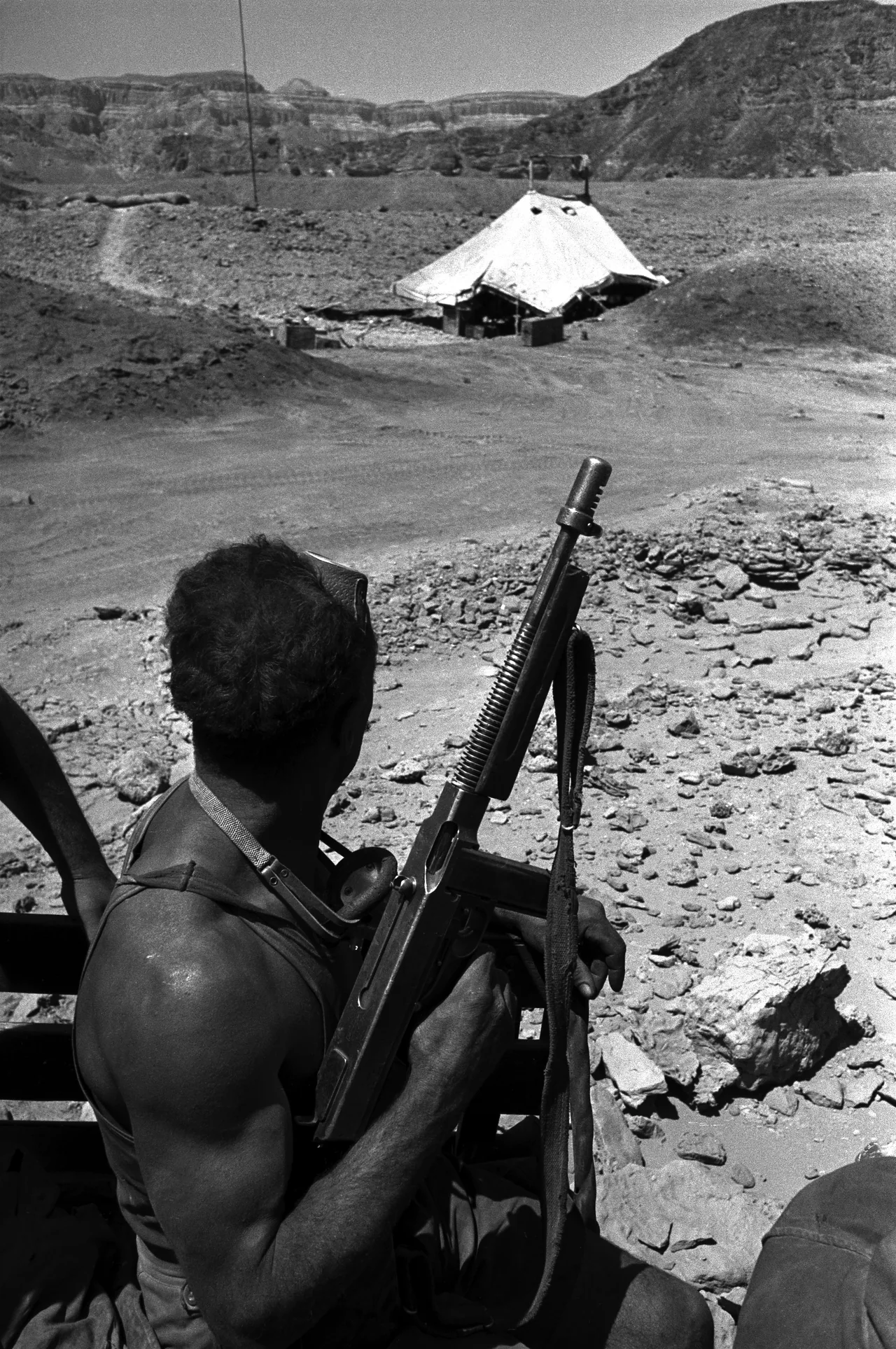
The five photographers in the selected proposal make different histories of Magnum visible. David Seymour represents a founding generation whose postwar work connected political events to displacement, children, and reconstruction. Larry Towell developed long-form projects in Central America through books, exhibitions, and repeated attention to landlessness and disappearance. Micha Bar-Am moved between military experience, newspaper work, Magnum correspondence, and the formation of photographic institutions. Moisés Saman’s Libya work shows the pressure of controlled access and qualified captions. Lorenzo Meloni follows conflict through ruins, territorial change, and historical aftermath.5
Magnum Photos 75 carried this archive into a networked edition. Historical photographs acquired collection numbers, curation fields, token identities, metadata objects, image pointers, and transaction histories. The new records sit beside older archive, caption, print, book, and copyright histories. A token can identify an edition at an observed point in time; the contract's administrative controls mean its metadata and image pointers must be rechecked. Neither token nor pointer settles questions about the negative, first publication, rights, or later use.
The five-Work relation on this page has a distinct author. Punk6529 formed the group for the Museum proposal by bringing together four tokens marked 2/ and Moisés Saman’s token marked 1/ in the Magnum 75 metadata. The reviewed public records contain no statement or evidence that Magnum Photos, Alejandro Cartagena, Azu Nwagbogu, or any of the five artists endorsed the resulting group. The relation belongs to the donor’s proposition and to the Museum’s interpretation of the exact objects.6
The token records carry photographer/Magnum All Rights Reserved notices. The
proposal records token transfer without a copyright or reproduction grant, and
Magnum’s historical terms distinguish an NFT purchase from copyright in the
associated photographic file. The Museum cites the historical Wave and token
sources without serving the five photographic files.7
Footnotes
-
Magnum Photos institutional history and Seymour profile, S01 and S17. ↩
-
International Center of Photography, Magnum Manifesto and photobook records, S39. ↩
-
Magnum and institutional artist records, S17, S20, S22, S26–S27, and S30. ↩
-
Magnum Photos 75 metadata and local proposal record, S04–S05, S10–S14, and S37. ↩
-
Historical Magnum terms, token metadata, proposal evidence, and Wave media record, S09, S10–S16, S37, and S38. ↩
Research context
Research context
- Related acquisitionConflict at Its EdgesStatus Accessioned into the permanent CollectionStatus as of
- Related organizationMagnum Photos